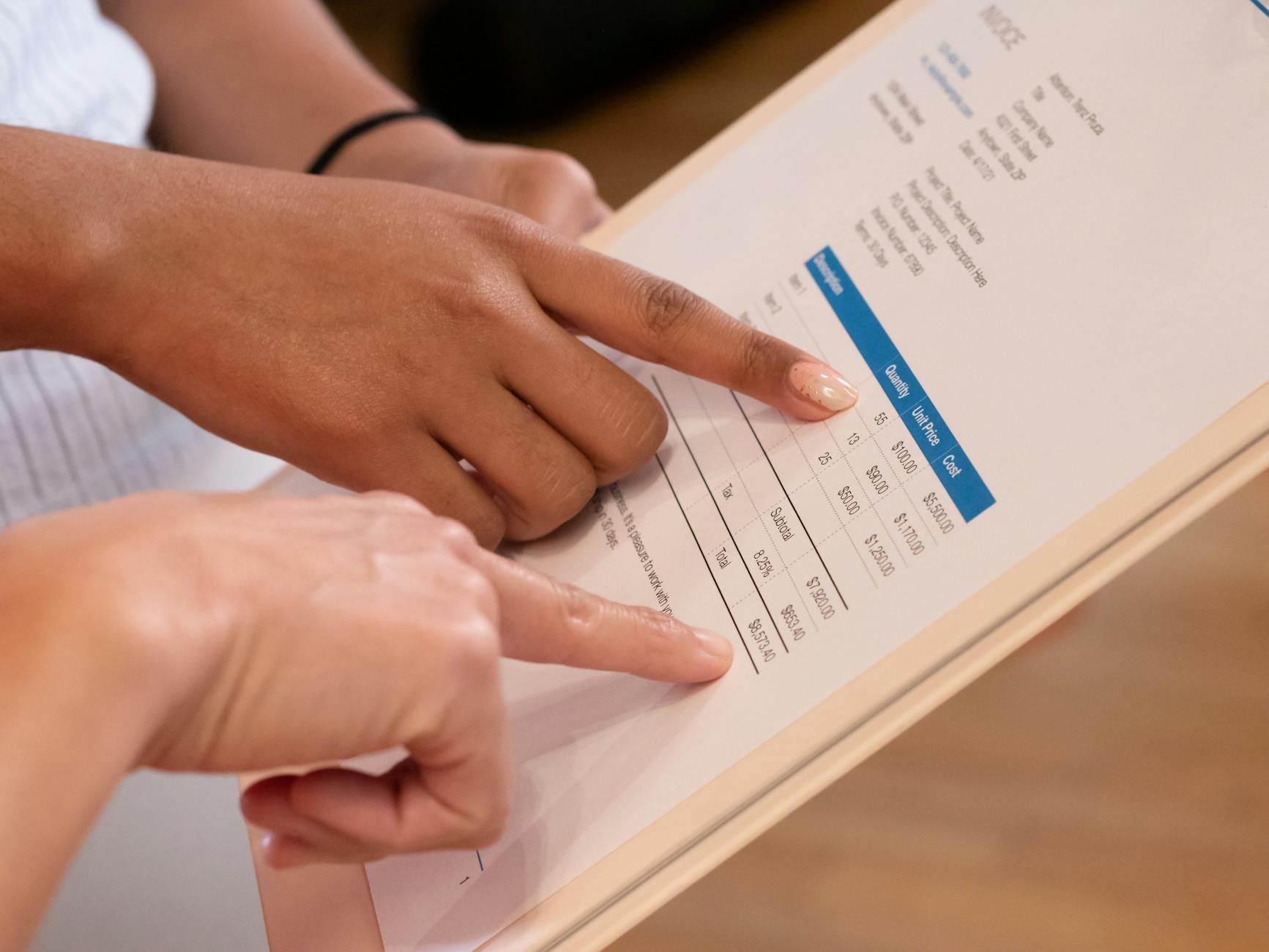
Understanding E-Invoicing in UAE Financial Services: What Businesses Need to Know Now
The landscape of financial services in the UAE is undergoing a significant transformation with the impending widespread adoption of e-invoicing. Businesses operating within this sector, from traditional banks to burgeoning FinTech startups, must prioritize understanding the nuances of this shift. Beyond simply digitizing paper invoices, e-invoicing in the UAE, spearheaded by initiatives from the Ministry of Finance and the Federal Tax Authority (FTA), aims to enhance transparency, streamline tax compliance, and combat fraud. This isn't merely a technological upgrade; it's a fundamental change in how financial transactions are recorded and reported. Organizations need to assess their current invoicing processes, identify potential vulnerabilities, and begin planning for the integration of compliant e-invoicing solutions to avoid penalties and ensure seamless operations once the mandates are fully in effect.
For financial services firms, the implications of e-invoicing extend beyond internal accounting. It impacts their interactions with clients, vendors, and regulatory bodies. A robust e-invoicing system not only ensures compliance but also offers opportunities for increased operational efficiency and improved data analytics. Consider the benefits:
- Reduced manual errors: Automated systems minimize human input mistakes.
- Faster payment cycles: Digital processing can accelerate invoice approval and payment.
- Enhanced audit trails: Secure, time-stamped e-invoices provide undeniable proof of transactions.
- Cost savings: Reduced printing, postage, and storage expenses.
E-invoicing is transforming financial services by streamlining billing processes, ensuring compliance, and enhancing security. For financial institutions seeking to optimize operations and strengthen client relationships, e-invoicing for financial services offers a robust solution for efficient and transparent transactions. This digital shift not only reduces administrative burdens but also provides real-time insights into financial flows, supporting better decision-making.
Practical Steps for E-Invoice Compliance: Addressing Common Questions & Challenges
Navigating the transition to e-invoicing can seem daunting, but breaking it down into practical steps makes the process manageable. First, conduct a thorough internal audit to understand your current invoicing workflow, identifying all stakeholders from sales to finance. This includes cataloging your existing software, data formats, and typical invoice volumes. Next, research and select an appropriate e-invoicing solution that aligns with your business needs and the specific regulatory requirements of your operating regions. Consideration should be given to integration capabilities with your existing ERP or accounting systems, scalability, and security features. Many businesses find value in solutions offering a phased rollout, allowing for testing and adjustments before full implementation. Finally, develop a comprehensive training program for your staff, ensuring everyone understands the new procedures and the importance of compliance.
One of the most common challenges businesses face during e-invoice compliance is data accuracy and standardization. Inconsistent data entry across different departments can lead to rejected invoices and significant delays. To mitigate this, establish clear data entry protocols and leverage automation features within your chosen e-invoicing platform to validate information before submission. Another frequent question revolves around handling exceptions and disputes. Your e-invoicing solution should provide a robust mechanism for managing these scenarios, ensuring transparency and efficient resolution. Consider platforms that offer audit trails and secure communication channels for dispute resolution. Furthermore, be prepared for ongoing regulatory updates; many countries are continually refining their e-invoicing mandates. Regularly review official government guidelines and subscribe to alerts from your e-invoicing provider to stay ahead of any changes.