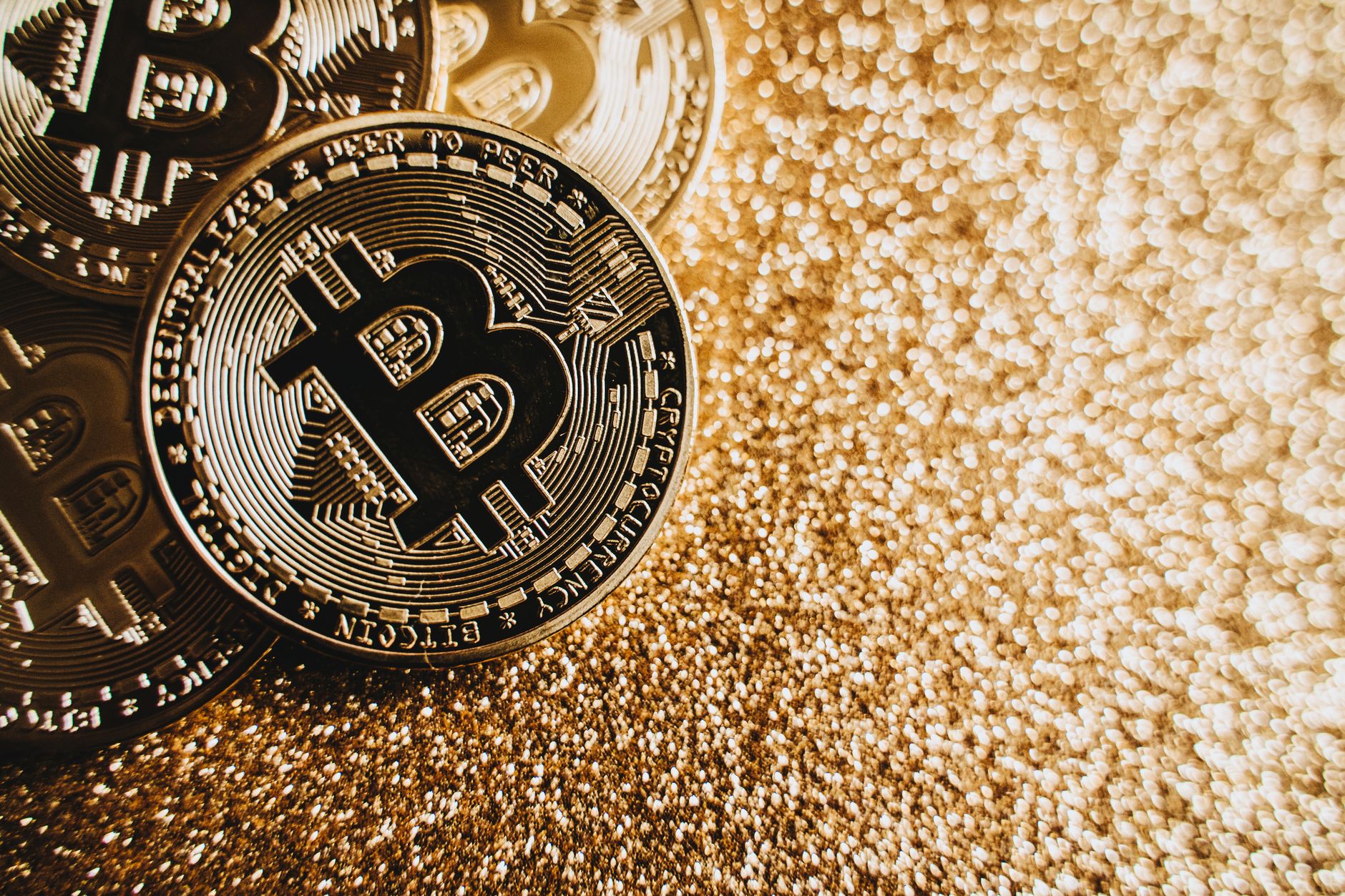
Cracking the Code: Your Step-by-Step Guide to Converting Fiat to Bitcoin for Casino Deposits
Navigating the world of cryptocurrency for the first time can feel like learning a new language, especially when your goal is to fund your online casino account. This comprehensive guide will demystify the process, breaking down each step involved in converting your traditional fiat currency (like USD, EUR, or GBP) into Bitcoin. We'll cover everything from choosing the right exchange to securely transferring your newly acquired Bitcoin. Our aim is to equip you with the knowledge and confidence to make your first crypto deposit seamlessly, ensuring you can focus on the thrill of the game rather than the complexities of digital finance. Get ready to unlock a new level of convenience and privacy in your online gaming experience.
The journey from fiat to Bitcoin for casino deposits involves a few key stages. Firstly, you'll need to select a reputable cryptocurrency exchange. Consider factors like user-friendliness, supported payment methods, fees, and security features. Once registered and verified (a crucial KYC step for most exchanges), you'll proceed to purchase Bitcoin using your preferred fiat currency. This usually involves linking a bank account, debit card, or credit card. Finally, with your Bitcoin in hand, you'll transfer it from your exchange wallet to your online casino's designated Bitcoin deposit address. We'll walk you through each of these steps in detail, providing practical tips and common pitfalls to avoid, ensuring a smooth and successful conversion every time.
Step into the exciting world of a crypto casino, where you can experience cutting-edge gaming with the added benefits of blockchain technology. These platforms offer enhanced privacy, faster transactions, and often unique games not found in traditional online casinos. Enjoy a secure and decentralized gambling experience with your favorite cryptocurrencies.
Beyond the Basics: Troubleshooting Common Issues and Maximizing Your Bitcoin Deposit Experience
While depositing Bitcoin is generally straightforward, encountering issues can be frustrating. Beyond simply ensuring the address is correct and your internet connection is stable, consider a few deeper troubleshooting steps. Transaction stuck in pending? This often indicates network congestion; using a higher transaction fee (gas fee) during initiation can expedite processing, though it’s not always adjustable post-send. If your wallet shows the transaction as confirmed but the recipient hasn't received it, remember that different services have varying confirmation requirements (e.g., 3 confirmations vs. 6).
Always double-check the destination wallet's minimum confirmation policy.Another common hurdle is an incorrect network; ensure you're sending Bitcoin on the Bitcoin network, not a wrapped version on another blockchain like Ethereum or Binance Smart Chain, as this will lead to irreversible loss of funds. For persistent issues, contacting both your sending wallet provider and the receiving platform's support is crucial, providing them with the transaction ID (TXID) for efficient resolution.
Maximizing your Bitcoin deposit experience goes beyond just avoiding errors; it involves strategic planning and awareness. For instance, timing your deposits can significantly impact costs. Network congestion, often peaking during high trading volumes or specific times of day, directly affects transaction fees. Monitoring average transaction fees on sites like mempool.space can help you identify less expensive times to send. Furthermore, for recurring deposits, consider using wallets that offer SegWit addresses. These addresses generally result in lower transaction fees due to more efficient data packing. Finally, always prioritize security:
- Use strong, unique passwords for your wallets.
- Enable two-factor authentication (2FA) wherever possible.
- Regularly back up your wallet's seed phrase in a secure, offline location.