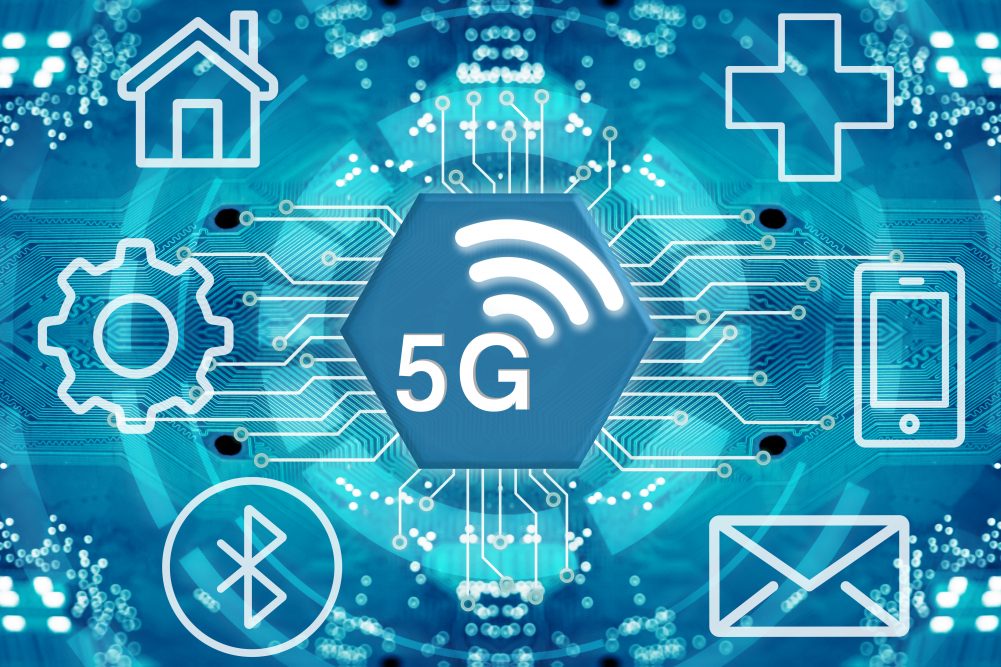
Exploring the Evolution of Wireless Technology: From 2G to 5G and Beyond
The journey of wireless technology has been a remarkable evolution, starting from the basic 2G networks that revolutionized mobile communication in the 1990s. 2G brought digital voice communication, enhancing call quality and introducing SMS (Short Message Service) capabilities, which transformed the way we communicate. As we moved into the 3G era, the introduction of mobile data services allowed users to access the internet on their devices, paving the way for apps and mobile browsing. This transition marked a significant shift from voice-centric services to data-centric networks, fundamentally changing user interactions with mobile technology.
The arrival of 4G LTE in the late 2000s further accelerated this evolution by offering significantly higher data speeds and improved network reliability. With 4G, users could stream high-definition videos, engage in seamless video conferencing, and enjoy online gaming with minimal lag. Now, as we step into the age of 5G, we are witnessing a transformational leap in wireless technology that promises faster connections, lower latency, and the ability to connect a vast number of devices simultaneously. Beyond its immediate benefits, 5G is set to unlock innovations in various sectors, including autonomous vehicles, smart cities, and the Internet of Things (IoT), making it a pivotal element in the future of connectivity.
Counter-Strike is a highly popular first-person shooter game that has captivated millions of players worldwide. It features team-based gameplay, where participants take on the roles of terrorists or counter-terrorists, each with distinct objectives. Players must strategize and communicate effectively to win rounds and ultimately secure victory in matches. If you’re also looking for essential tech accessories, check out the Top 10 Wireless Chargers for Pixel Devices for optimal charging solutions.
The Future of Connectivity: How Wireless Innovations are Shaping Our Everyday Lives
The future of connectivity is rapidly evolving, thanks to groundbreaking wireless innovations that are redefining how we interact with technology and each other. From 5G networks enabling ultra-fast internet speeds to the rise of Wi-Fi 6, these advancements are paving the way for smarter homes, cities, and industries. As devices become more interconnected, the Internet of Things (IoT) is gaining traction, allowing everyday appliances to communicate seamlessly. This unprecedented level of connectivity promises to enhance convenience and efficiency in our lives, with applications ranging from automated home systems to real-time health monitoring.
Moreover, as wireless technologies continue to advance, we can expect even more remarkable changes in our daily routines. Innovations such as edge computing and mesh networks are set to improve connectivity in areas where traditional infrastructure may lag. With these advancements, services like remote work, telehealth, and smart transportation will become increasingly reliable and accessible. The future of connectivity is not just about faster internet; it's about creating a connected ecosystem that simplifies our lives and empowers us to stay engaged, informed, and connected no matter where we are.
What is Wi-Fi 6 and Why Should You Care?
Wi-Fi 6, also known as 802.11ax, is the latest generation of wireless networking technology that promises to revolutionize the way we connect to the internet at home and in public spaces. This new standard offers significant improvements over its predecessor, Wi-Fi 5 (802.11ac), including faster speeds, increased capacity, and better performance in crowded areas. With the growing number of devices connected to the internet—such as smartphones, smart TVs, and smart home devices—Wi-Fi 6 addresses the need for a more efficient and reliable wireless connection.
But why should you care about Wi-Fi 6? The benefits extend beyond mere speed enhancements. For instance, Wi-Fi 6 uses a technology called OFDMA (Orthogonal Frequency Division Multiple Access), which allows the router to send data to multiple devices simultaneously rather than sequentially. This results in significant improvements in latency and overall network performance, especially in busy environments. Additionally, with features like Target Wake Time (TWT), Wi-Fi 6 devices can communicate more efficiently, preserving battery life and optimizing connectivity for IoT devices, making it a worthwhile consideration for anyone relying on modern wireless technology.