From Fiat to Funs: The Basics of Depositing Crypto at Online Casinos
Choosing Your Crypto: A Practical Guide to Supported Coins & Wallets
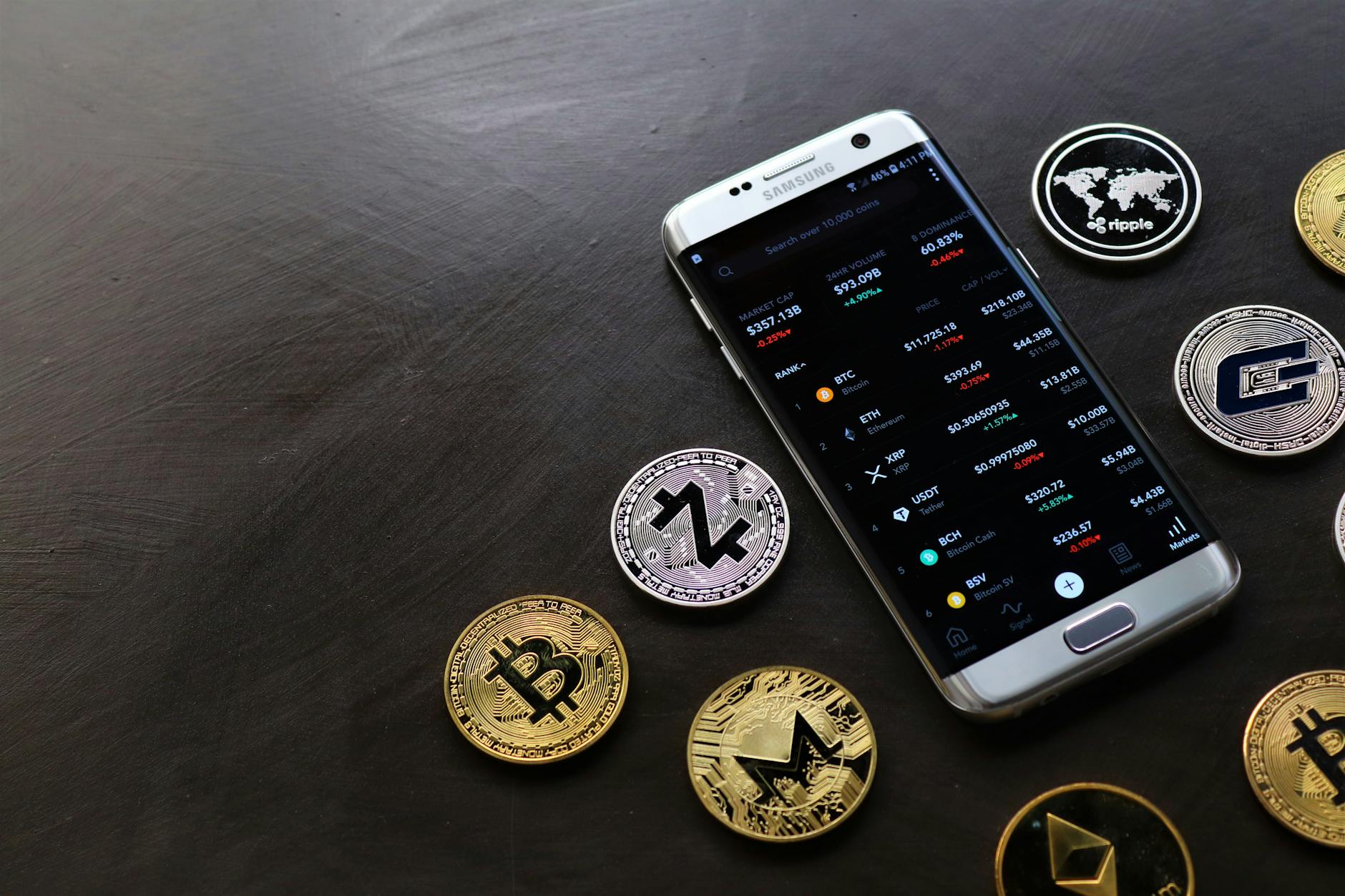
Navigating the vast cryptocurrency landscape can feel overwhelming, especially when deciding which digital assets to embrace. A crucial first step is understanding the sheer diversity of cryptocurrencies available. Beyond the well-known Bitcoin and Ethereum, there are thousands of altcoins, each with unique features, use cases, and underlying technologies. Before you commit, carefully research a coin's market capitalization, trading volume, and its development team's roadmap. Consider its utility – is it designed for payments, smart contracts, decentralized finance (DeFi), or something else entirely? Furthermore, investigate the community surrounding the coin; a vibrant and engaged community often signals a healthy and promising project. Don't simply jump on the latest hype; due diligence is paramount for making informed investment decisions.
See also: Cryptocurrency - Wikipedia — For a general understanding of how cryptocurrencies work, which is foundational for crypto casino deposits.
Once you've identified a few promising cryptocurrencies, the next critical consideration is how you'll securely store them. This is where crypto wallets come into play. Wallets are not physical containers for your coins, but rather software or hardware that stores your private keys, which are essential for accessing and spending your digital assets. There are several types of wallets, each offering varying levels of security and convenience:
- Hot Wallets: Software-based (web, desktop, mobile) and connected to the internet, offering ease of access but a higher risk of cyber-attacks.
- Cold Wallets: Hardware devices (like USB drives) or paper wallets that store private keys offline, providing superior security for long-term holdings.
Choosing the right wallet for your selected cryptocurrencies is as important as choosing the cryptocurrencies themselves. Many popular coins are supported by a wide array of wallets, but some niche altcoins might have limited options. Always verify that your chosen wallet explicitly supports the specific coins you intend to hold. Failing to do so could result in lost funds if you attempt to send unsupported assets to an incompatible wallet address. Furthermore, prioritize wallets with strong security features such as two-factor authentication (2FA), multi-signature capabilities, and a proven track record of reliability. Remember, you are your own bank in the crypto world, and safeguarding your private keys is entirely your responsibility. Never share your private keys or seed phrase with anyone.
Troubleshooting Deposits: Common Questions & Quick Fixes for Crypto Casino Players
Navigating the world of crypto casino deposits can sometimes present unexpected hurdles. One of the most frequent issues players encounter is a delay in funds appearing in their account. This can often be attributed to blockchain confirmation times; unlike instant fiat transactions, crypto transactions require a certain number of network confirmations before they are deemed irreversible. For more detailed information on managing your crypto transactions, consider consulting a comprehensive crypto casino guide. Always check the transaction ID (TXID) on the relevant blockchain explorer to verify its status. If the transaction shows as confirmed but still isn't reflecting in your casino balance, double-check that you used the correct wallet address and blockchain network. A simple copy-paste error or sending tokens over an incompatible network (e.g., sending ERC-20 tokens to a BSC address) can lead to significant complications and potential loss of funds. Patience is key, but proactive checking can quickly resolve many common delays.
See also: Cyber-Related Frauds and Scams Involving Digital Assets - SEC.gov — To highlight potential risks and security considerations when dealing with digital assets for transactions like casino deposits.
Another common deposit problem involves incorrect or unsupported payment methods. While most crypto casinos proudly display their accepted cryptocurrencies, players sometimes attempt to deposit with less common tokens or via networks not explicitly supported. Before initiating any deposit, always consult the casino's deposit page for a clear list of accepted cryptocurrencies and their corresponding networks (e.g., Bitcoin via BTC network, Ethereum via ERC-20, Solana via SOL network).
"Sending unsupported tokens or using the wrong network is akin to mailing a letter without a stamp or to the wrong address – it simply won't reach its destination."If you've made such an error, immediately contact the casino's support team with your transaction details. While recovery isn't always guaranteed, especially for transactions sent to entirely wrong addresses, some casinos may be able to assist in retrieving funds if they were sent to an address they control on an unsupported network.
Security measures, while crucial for protecting your funds, can occasionally lead to deposit hiccups. Some crypto casinos implement deposit limits, both minimum and maximum, which can vary depending on the cryptocurrency and your account's verification level. Attempting to deposit below the minimum or above the maximum will typically result in a failed transaction or, in some cases, your funds being held pending review. Furthermore, ensure your wallet software is updated and that you're using a reputable wallet provider. Phishing scams or compromised wallet security can also interfere with successful deposits. If you suspect a security issue, change your passwords, enable two-factor authentication (2FA) wherever possible, and consider transferring your funds to a new, secure wallet. When in doubt, the casino's customer support team is your best resource for personalized assistance with any deposit-related query.
Beyond the Deposit: Understanding Fees, Limits, and Withdrawal Processes
While the allure of a generous deposit bonus or a low minimum deposit often grabs headlines, overlooking the finer print surrounding a platform's financial mechanics can lead to unwelcome surprises. It's crucial to delve beyond the initial deposit requirements to understand the full cost of participation. These often include various fees, which can range from transaction processing charges on deposits and withdrawals to inactivity fees that penalize dormant accounts. Some platforms might even levy currency conversion fees if you're dealing with different currencies. Always scrutinize the 'Terms and Conditions' or 'FAQ' sections for a comprehensive breakdown of all potential charges to avoid unexpected deductions from your balance.
See also: What Is a Bitcoin Wallet? - CoinDesk — To explain the essential tool for storing and managing cryptocurrencies, directly relevant to making deposits at crypto casinos.
Equally important are the limits imposed on your financial activities. This encompasses not just the minimum and maximum deposit amounts, but also withdrawal limits, which can be daily, weekly, or monthly. Understanding these thresholds is vital for managing your expectations and planning your finances effectively. For instance, if you anticipate large withdrawals, a platform with restrictive monthly limits might not be the best fit. Conversely, low minimum withdrawal amounts can be beneficial for those who prefer to frequently cash out smaller sums. Always ensure the platform's limits align with your personal financial strategy and anticipated transaction volumes.
The withdrawal process itself is another critical area demanding attention. It's not just about how much you can withdraw, but how efficiently and securely you can access your funds. Different platforms offer varying withdrawal methods, such as bank transfers, e-wallets, or even cryptocurrency. Each method comes with its own processing times and potential fees. It's essential to:
- Verify identity requirements (KYC procedures) as these can cause delays.
- Understand the typical withdrawal timeframe for your chosen method.
- Check for any pending withdrawal limits or conditions.
Frequently Asked Questions
What cryptocurrencies can I typically use to deposit at online casinos?
Most crypto casinos support popular options like Bitcoin (BTC), Ethereum (ETH), Litecoin (LTC), and Tether (USDT). Some also accept Dogecoin (DOGE), Ripple (XRP), and various altcoins. It's always best to check the casino's specific banking page for their accepted list before depositing.
How long does a crypto casino deposit usually take to process?
Crypto deposits are generally much faster than traditional banking methods. Most transactions are processed within minutes, often less than an hour, once they receive the necessary network confirmations. This speed is a major advantage for instant gaming access.
Are there any fees associated with making crypto deposits at online casinos?
While the casino itself often doesn't charge deposit fees for crypto, you will typically incur a small network transaction fee (gas fee) from the blockchain itself. This fee varies depending on the cryptocurrency and network congestion, and is paid to the miners/validators.
What do I need to do before making my first crypto deposit at a casino?
First, you'll need a crypto wallet with sufficient funds in the desired cryptocurrency. Then, create an account at your chosen crypto casino. Navigate to their deposit section, select your crypto, and follow the instructions to send the funds to the provided casino wallet address.