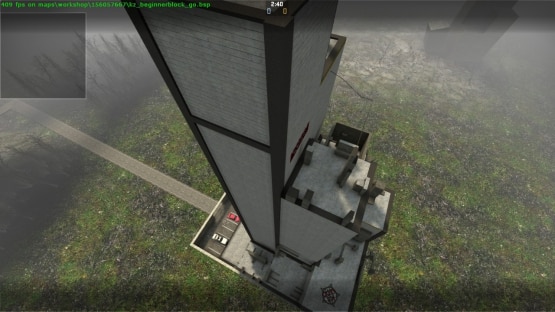
Mastering the Art of Movement: Tips for Conquering CSGO KZ Maps
Mastering the art of movement in CSGO KZ maps is essential for players looking to improve their skills and enhance their gameplay experience. These maps are designed to test your precision and agility, and mastering the various techniques can significantly boost your performance. Here are some vital tips:
- Learn to Strafe: Utilize the strafe technique to move quickly while maintaining momentum. This involves moving left or right while simultaneously moving forward. Mastering this can help you navigate gaps and obstacles with ease.
- Practice Bunny Hopping: Bunny hopping allows you to maintain speed while jumping. It requires timing and technique, so practice it in a custom server to get the hang of it.
Furthermore, understanding the map layout of CSGO KZ maps is crucial for planning your movements and achieving successful climbs. Many players overlook the importance of map awareness. Consider these strategies:
- Familiarize Yourself with Routes: Spend time exploring the map to identify the most efficient routes. Knowing alternative paths can save time and lead to successful completion.
- Watch Tutorials and Competitions: Learning from experienced players through tutorials or competitive play can provide valuable insights into advanced movement techniques.
Counter-Strike is a popular tactical first-person shooter game that has captivated gamers around the world. Players can engage in intense matches where teamwork and strategy are crucial for success. One of the latest additions to the franchise is the CS2 Stash Box, which offers exciting new content and features for players to explore.
The Evolution of KZ Maps in CSGO: From Beginner to Advanced Challenges
The evolution of KZ maps in CSGO has significantly transformed the gaming landscape, catering to players of all skill levels. Initially, these maps were designed as simple obstacle courses that served as an introduction to player movement mechanics. As the community grew, so did the complexity of these maps. Players transitioned from basic jumps and runs to tackling intricate designs that demanded precise timing and advanced techniques. This shift not only challenged beginners to improve their skills but also inspired them to dive deeper into the vast realm of movement mechanics!
As players became more proficient, KZ maps evolved further, incorporating advanced challenges that showcased creativity and technical skill. Developers began to implement a range of features, such as timed runs, performance metrics, and unique design elements that pushed the boundaries of traditional map making. In the current landscape of CSGO, KZ mapping has matured into a thriving subculture that fosters competition and collaboration. Enthusiasts now engage in speedrunning communities, share techniques, and partake in tournaments, all of which highlight the journey from beginner to advanced challenges that these maps encapsulate.
What Makes a Great KZ Map? Key Elements and Design Insights
When discussing what makes a great KZ map, several key elements come into play that ensure both aesthetic appeal and gameplay functionality. First and foremost, a well-designed KZ map should offer a balanced mix of difficulty levels, catering to both beginners and experienced players. This is often achieved by incorporating clear navigation paths, strategically placed checkpoints, and varying terrain that challenges players without overwhelming them. Additionally, visual design is crucial; a map that is visually engaging not only keeps players interested but also enhances the overall gaming experience. Using vibrant colors, thoughtful textures, and ambient lighting can significantly impact players' immersion.
Another essential aspect of a great KZ map is gameplay flow. The layout should facilitate smooth transitions between different areas, allowing for natural movement and progression. Players should feel a sense of accomplishment as they conquer each section. To achieve this, designers can utilize techniques such as verticality in the design, allowing players to navigate upward and downward, creating a dynamic experience. Furthermore, community feedback plays a pivotal role in refining a KZ map; incorporating player suggestions and critiques can result in a more polished and enjoyable final product. By emphasizing these elements, map creators can craft KZ maps that players will return to again and again.