Understanding Tokenomics: How In-Game Economies Are Shaping the Future of Gaming
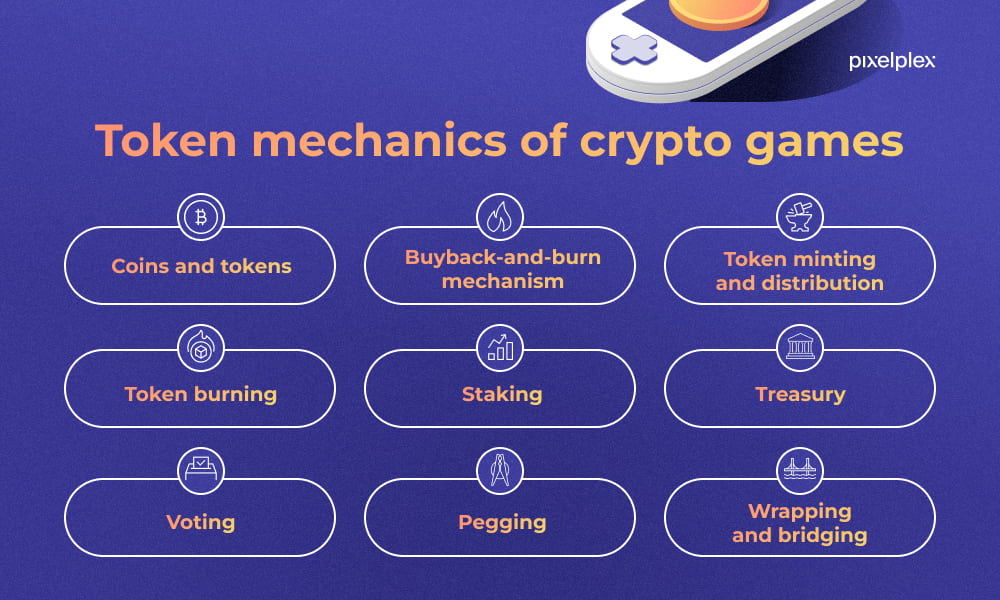
Understanding Tokenomics is crucial for grasping how in-game economies are transforming the gaming landscape. Tokenomics refers to the study of the economic model that governs the issuance, distribution, and utilization of tokens within a game or platform. As players increasingly seek ownership and value in their digital assets, game developers are integrating blockchain technology to create decentralized marketplaces where players can buy, sell, and trade in-game items. This new landscape not only enhances player engagement but also fosters a sense of community, as gamers can truly own their achievements.
Moreover, the rise of in-game currencies is shaping player experiences and monetization strategies for developers. Tokenomics influences how in-game economies operate by establishing rules for supply and demand. For instance, a well-designed token model can incentivize players to participate more actively, leading to greater in-game spending and overall economic stability. As the gaming industry continues to evolve, understanding these principles will be essential for both players and developers alike, ensuring a sustainable and prosperous future for gaming ecosystems.
Counter-Strike is a popular tactical first-person shooter that has captivated gamers since its initial release in 1999. The game pits two teams against each other, Terrorists and Counter-Terrorists, in various objective-based scenarios. Players can earn rewards and progress by using strategies and skills, and those looking for a boost can check out the bc.game promo code for additional benefits.
The Role of Tokens in Gaming: Are They Worth Your Investment?
The use of tokens in gaming has transformed the industry, providing players with unique opportunities to enhance their gaming experience. These tokens, often powered by blockchain technology, serve as digital assets that can be used to purchase in-game items, unlock features, or even trade with other players. As gamers begin to recognize the value of these assets, the question arises: are they worth your investment? Many players have seen significant returns by investing in certain gaming tokens, particularly as the popularity of play-to-earn models continues to rise.
Investing in gaming tokens does come with its risks and rewards. While some tokens may appreciate rapidly in value due to demand and scarcity, others may lose their value based on market fluctuations or changes in game popularity. To make informed decisions, potential investors should consider a variety of factors, including the game's community, development team, and overall market trends. Reviewing token performance metrics and staying updated on industry news can help gamers determine if a particular investment aligns with their financial goals. Ultimately, the true worth of gaming tokens is determined by how much value players derive from them, both in gameplay and investment potential.
Tokenomics 101: What Every Gamer Should Know About Digital Assets
Tokenomics is an essential concept that every gamer should understand, especially as the gaming industry increasingly integrates digital assets into gameplay. At its core, tokenomics involves the study of the economic system surrounding cryptocurrency and digital tokens used within games. Many leading titles now utilize blockchain technology to empower players by allowing them to own, trade, and monetize their in-game items. This shift not only enhances the sense of ownership but also introduces new revenue streams for developers and players alike.
Understanding the basics of tokenomics can help gamers make informed decisions about their digital investments. Here are a few key concepts to grasp:
- Supply and Demand: Just like traditional economies, the value of digital assets is affected by supply and demand. Limited availability can drive up prices.
- Utility Tokens: These are used to access specific features or services within a game, providing real value to players.
- Governance Tokens: These give players a voice in game development decisions, enhancing community involvement and engagement.