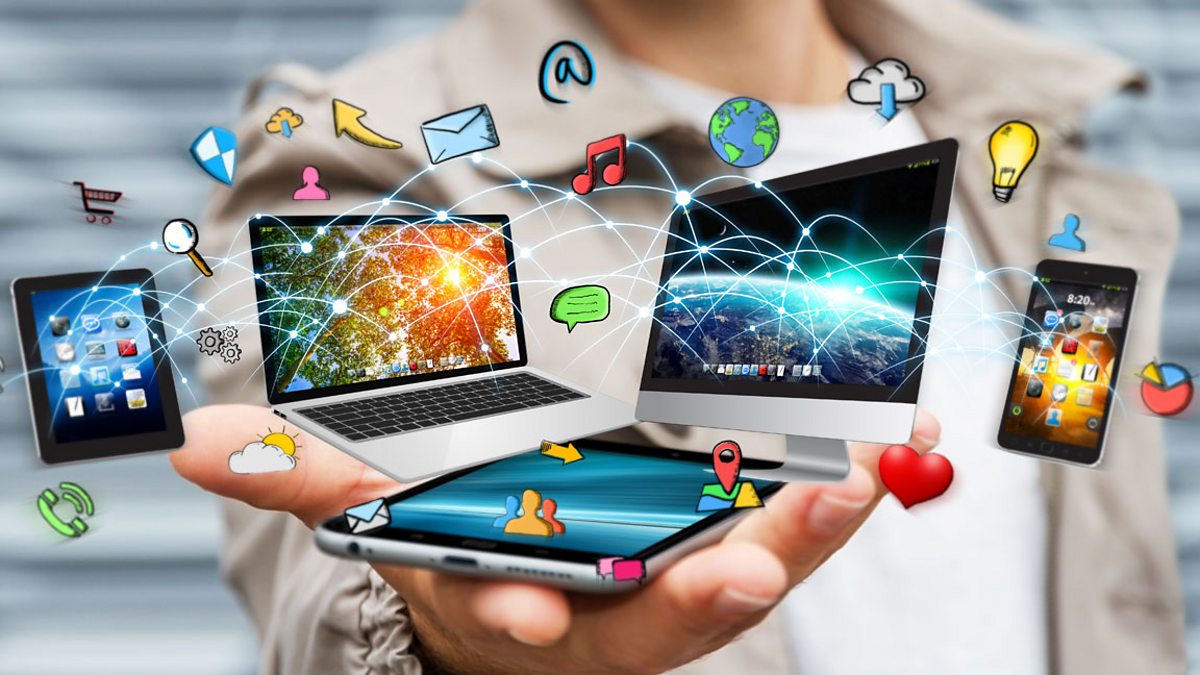
The Psychology of Trusting Technology: How Smart Devices Are Shaping Our Decisions
The advent of smart devices has revolutionized the way we interact with technology, leading to a profound shift in the psychology of trusting technology. People now rely on voice assistants, smart home devices, and wearable technology to simplify their daily tasks. This reliance raises an important question: how do these devices influence our decision-making processes? As we become increasingly dependent on algorithms and automated systems, our cognitive biases can subtly shift, leading us to place greater trust in technology than in human judgment. This phenomenon can be attributed to several factors, including the convenience that smart devices offer and the seamless integration of technology into our daily routines.
Moreover, our relationship with technology is shaped by the interaction design of these smart devices. For instance, user-friendly interfaces and personalized experiences foster a sense of reliability and familiarity. According to research, when users perceive a technology as helpful and efficient, they are more likely to trust it in critical decision-making situations. This effect is compounded by social proof—when we see others using smart devices successfully, we are encouraged to place confidence in them as well. In essence, the psychology of trusting technology is not merely based on functionality but is also heavily influenced by design, familiarity, and communal behavior, ultimately shaping how we make choices in our tech-driven lives.
Counter-Strike is a highly popular first-person shooter game that emphasizes team-based gameplay, strategy, and skill. Players can choose to take on the role of terrorists or counter-terrorists, with objectives ranging from hostage rescue to bomb defusal. For gamers looking to enhance their experience, checking out the Top 10 iPhone accessories under 25 can provide some great options.
Will Artificial Intelligence Replace Human Intuition? A Deep Dive into Cognitive Offloading
As the landscape of technology evolves, one pressing question emerges: Will Artificial Intelligence replace human intuition? This inquiry invites a comprehensive examination of cognitive offloading, a phenomenon where individuals rely on external tools to manage cognitive processes. Modern advancements in AI suggest that machines can perform tasks that traditionally required human judgment and intuition, ranging from analyzing big data patterns to making sophisticated predictions. However, while AI excels in processing vast amounts of information quickly, the essence of human intuition—rooted in emotional understanding and experiential knowledge—remains a uniquely human trait that machines have yet to replicate fully.
In considering the dynamics between AI and human intuition, we must explore both the advantages and limitations of cognitive offloading. For instance, using AI for decision-making can enhance efficiency and accuracy in various fields such as finance, healthcare, and marketing. Yet, relying too heavily on AI can lead to a decline in our intuitive decision-making skills over time. As we engage more with AI systems, there’s the risk of becoming overly dependent, potentially diminishing our ability to connect emotionally and think critically. Thus, the challenge lies in finding a harmonious balance where AI acts as a powerful ally, enhancing rather than replacing the invaluable insights derived from human intuition.
Are We Losing Our Critical Thinking Skills to Automation? Exploring the Impacts of Dependence on Technology
As we increasingly integrate automation into our daily lives, a pressing question arises: are we losing our critical thinking skills? The reliance on technology for tasks ranging from simple calculations to complex problem-solving can lead to a diminishing ability to process information independently. A study by the Pew Research Center suggests that while technology enhances productivity, it also risks creating a generation less equipped to engage in analytical thinking. As our dependence on automated systems grows, we may be substituting quick answers for deep understanding, thus hampering our intellectual development.
Furthermore, the impacts of this dependence extend beyond personal capabilities into broader societal implications. When we allow automation to dictate our decisions, we risk losing the art of reasoning and debate. Educational systems are becoming increasingly reliant on digital tools, which can inadvertently diminish opportunities for critical engagement. To combat this trend, it is essential to foster environments where critical thinking is prioritized. Emphasizing skills such as questioning assumptions, evaluating evidence, and constructing sound arguments can help counterbalance the passive consumption of information that automation encourages.