The Evolution of Console Gaming: How It Connects Generations
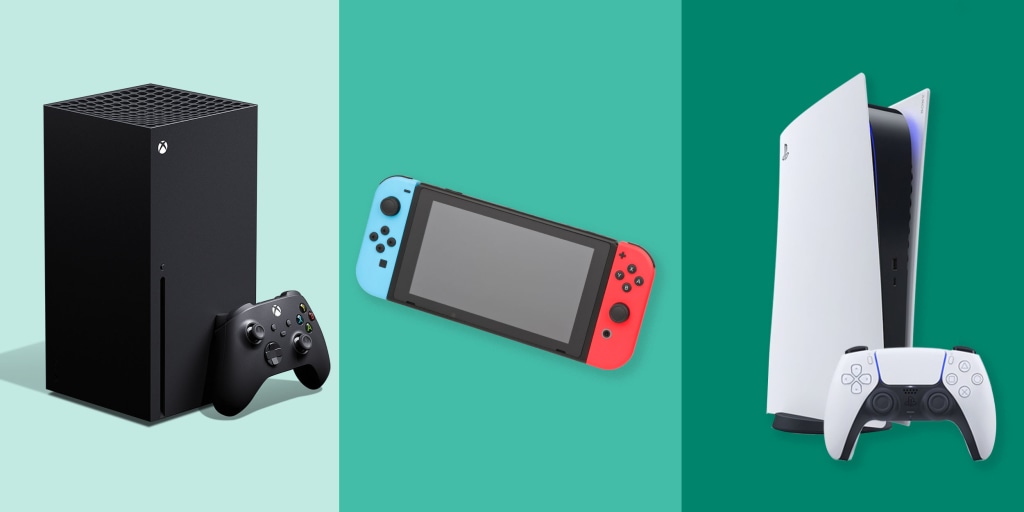
The evolution of console gaming has been a remarkable journey, showcasing the rapid advancements in technology and the deepening connections it fosters among generations. From the simplistic pixels of the early Atari and Nintendo systems to the stunning graphics of current-gen consoles like the PS5 and Xbox Series X, each era of gaming has offered something unique. As new innovations emerge, such as virtual reality and cloud gaming, they not only enhance the gaming experience but also bridge the gap between older gamers who grew up with 8-bit systems and younger generations who thrive on immersive gameplay and online connectivity.
Furthermore, console gaming serves as a nostalgic touchstone for many, allowing families to bond over their favorite games from childhood while introducing younger players to classic titles. This intergenerational interaction is accentuated through multiplayer games that promote teamwork and friendly competition. As families gather around the console, sharing laughs and challenges, gaming becomes more than just a pastime; it transforms into a shared cultural experience that enriches relationships and strengthens familial ties.
Counter-Strike is a highly popular tactical first-person shooter game that has captivated gamers since its inception. Players engage in team-based combat, where they can take on roles as either terrorists or counter-terrorists. For those looking to enhance their gaming experience on various platforms, check out our Top 10 apple tv gaming controllers for optimal performance.
Cultural Impact of Console Games: From Mario to Modern Esports
The cultural impact of console games can be traced back to the late 1980s with the release of iconic titles like Super Mario Bros.. This game not only revolutionized the platforming genre but also introduced gaming to a wider audience, making it a staple of pop culture. As players not only experienced engaging gameplay but also participated in a shared social phenomenon, titles like Mario helped lay the groundwork for video games as a valuable form of entertainment. This era marked the beginning of a vibrant gaming community that transcended age and demographic barriers, ultimately leading to a significant shift in perceptions about gaming and its role in society.
Fast forward to today, and the rise of modern esports showcases the immense evolution of console gaming culture. Competitive gaming has transformed from a casual pastime into a billion-dollar industry, attracting global audiences and fostering a new breed of celebrities. Esports events, broadcasted to millions, have become cultural milestones, highlighting the strategic depth of games and the skill of players. As more individuals recognize gaming as a legitimate career path, the impact on both entertainment and lifestyle continues to grow, solidifying console games as a core part of contemporary culture.
Can Video Games Foster Intergenerational Relationships?
In recent years, the perception of video games has shifted dramatically, particularly regarding their role in fostering intergenerational relationships. Video games provide a unique platform where individuals from different age groups can come together, share experiences, and strengthen bonds. Many family members, particularly grandparents and parents, find joy in playing video games with their younger relatives, creating shared memories that transcend generational gaps. This interaction not only encourages communication but also allows older players to engage with technology that younger generations are passionate about, thus fostering a mutual understanding.
Moreover, video games often incorporate elements that require teamwork and cooperation, which are essential for building relationships. Whether it’s teaming up in a cooperative game or competing in family-friendly challenges, these activities promote social skills and help break down barriers. Some studies have even suggested that playing video games together can enhance empathy and emotional intelligence among players. Therefore, when families prioritize gaming as a shared hobby, they can strengthen their bonds while also benefiting from the positive aspects of friendly competition and collaboration.