What Everyday Objects Can Teach Us: Uncovering the Hidden Stories Behind the Familiar
Everyday objects often hold stories that go unnoticed in our bustling lives. From the mug we sip our morning coffee from to the keys we jingle as we leave the house, these familiar items are imbued with memories and lessons. For instance, consider the humble pencil. It not only represents creativity and self-expression but also teaches us about the importance of making mistakes and learning from them. Just as a pencil can be erased and reshaped, so too can our journeys in life adapt and change direction.
Another object that subtly educates us is the mirror. It reflects not only our physical appearance but also serves as a metaphor for self-reflection and personal growth. A daily glance in the mirror can encourage us to acknowledge our strengths and weaknesses, prompting a deeper understanding of ourselves. By appreciating the hidden stories behind these everyday treasures, we can enrich our lives and develop a greater appreciation for the seemingly mundane, ultimately revealing profound lessons that shape who we are.
Counter-Strike is a popular first-person shooter that has captivated gamers since its inception in the late 1990s. Players engage in team-based gameplay, focusing on objectives such as bomb defusal and hostage rescue. The game is known for its strategic depth and competitive scene, making it a staple in esports. If you're also interested in protecting your device while gaming, check out the Top 10 Lightweight Slim iPad Cases that combine functionality with style.
The Science of Simplicity: How Everyday Objects Are Designed to Solve Real Problems
The world around us is often filled with everyday objects that, despite their simplicity, are ingeniously designed to tackle real problems. From the humble paperclip to the versatile Swiss Army knife, these items exemplify the principle of simplicity in design, where functionality meets elegance. For instance, consider the ergonomic design of a can opener; its curved handle and sharp blade work together seamlessly to make the task of opening cans not just easy, but also safe. This is a perfect illustration of how design can alleviate common frustrations by providing practical solutions.
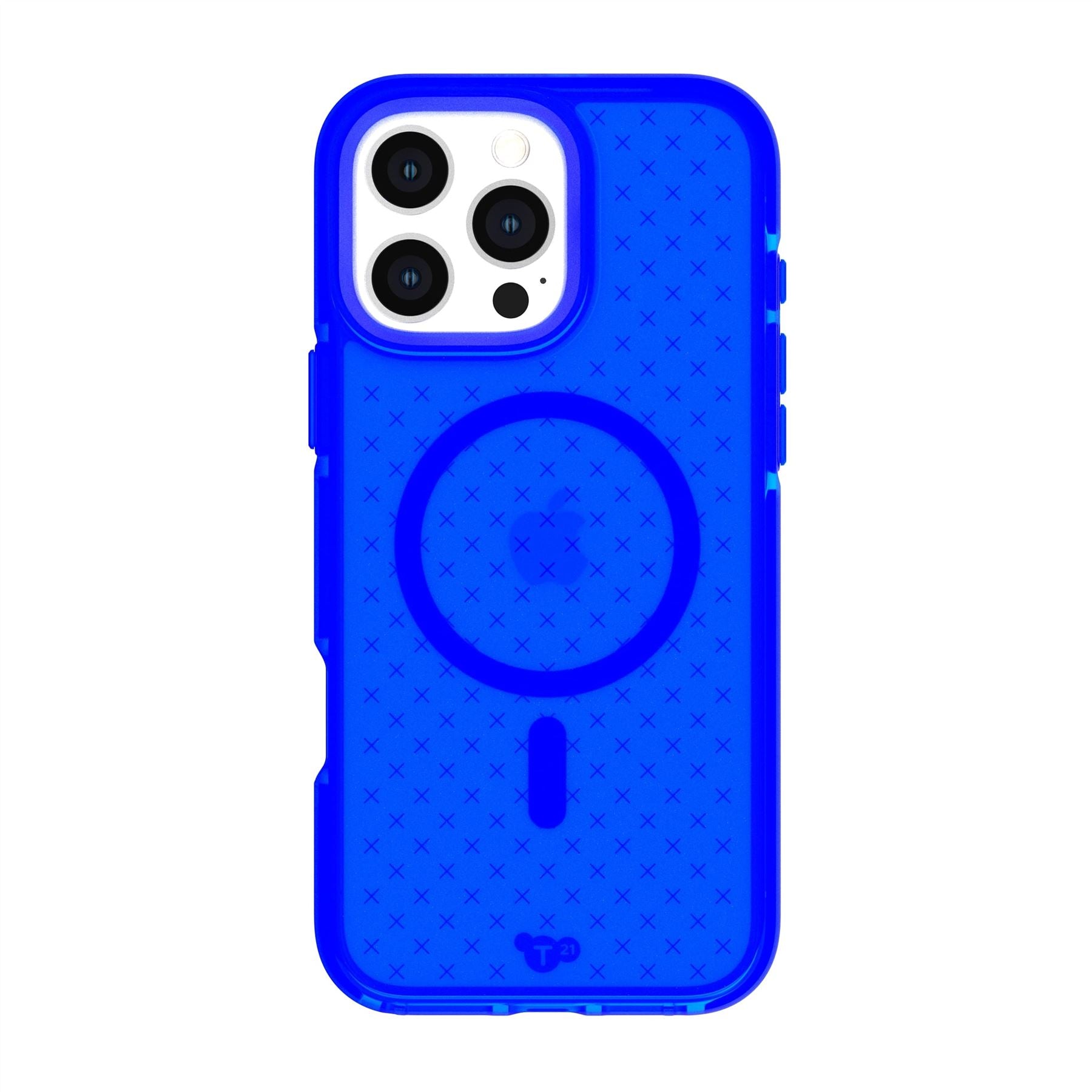
Moreover, the psychology of simplicity plays a pivotal role in how we interact with these objects. The ease of use and intuitive design not only enhance user experience but also lead to increased customer satisfaction. Take the example of a smartphone case: designed to protect while being sleek and lightweight, it addresses the everyday dilemma of keeping devices safe without adding extra bulk. Such everyday objects, therefore, do more than just serve a purpose; they encapsulate the essence of problem-solving in their simplest forms, reminding us that the best solutions are often the simplest ones.
Are We Using Everyday Objects All Wrong? Exploring Their Untapped Potential
Every day, we interact with a myriad of objects that make our lives easier, but are we truly unlocking their full potential? Items like kitchen sponges and rubber bands have capabilities that go far beyond their typical use. For example, sponges are not just for washing dishes; they can serve as effective sound dampeners or even be used in arts and crafts to create texture. Similarly, rubber bands are often overlooked in their versatility; they can be utilized for everything from organizing cables to creating DIY stress balls. This raises the intriguing question: Are we using everyday objects all wrong?
By reimagining the purpose of these commonplace items, we can revolutionize our day-to-day routines. Consider, for instance, the humble paper clip. It can do much more than hold papers together; it can become a zipper pull, a SIM card ejector, or even a makeshift key ring. Another example is the use of mason jars, which not only serve as storage containers but can also be transformed into stylish light fixtures or herb gardens. These simple shifts in perspective allow us to embrace their untapped potential and breathe new life into the ordinary—as the saying goes, necessity is the mother of invention!